

The Political Science Program at Universitas Indo Global Mandiri (IGM) held an outreach event on the Apostille Application Service for the academic community on campus.
This event is considered crucial for faculty and students planning to pursue further studies abroad who require international legalization of their civil and academic documents. Through this digital service, the conventional legalization process—which tends to be bureaucratic and time-consuming—has officially been replaced by a one-stop certification system.
“We want to ensure that the entire academic community understands that handling international documents is now much more practical and integrated,” said Gunawan, S.H., M.Si., Head of the General Legal Administration Services Division, while explaining the procedures and latest regulations regarding the mechanism.
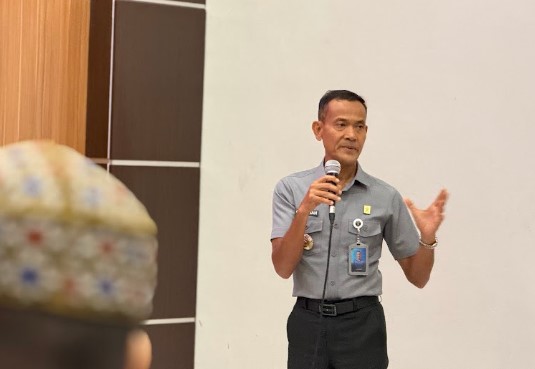
During the briefing, Gunawan provided a detailed explanation of the application process, which includes the verification of signatures and official seals on public documents to ensure their validity in member states of the Apostille Convention. This document verification process takes a maximum of three business days after the application is deemed complete through the online system. Regarding the financial aspect, the public is only charged the official Non-Tax State Revenue (PNBP) fee of Rp 150,000 per document.
“The certainty of costs and the efficiency of processing time serve as a guarantee of transparency from the state to streamline the lengthy bureaucratic process,” Gunawan emphasized before the participants.
In addition to the presentation of materials, this event also included the signing of cooperation documents in the form of a Memorandum of Agreement (MoA) and an Implementation Arrangement (IA) between the university and the relevant government agencies.
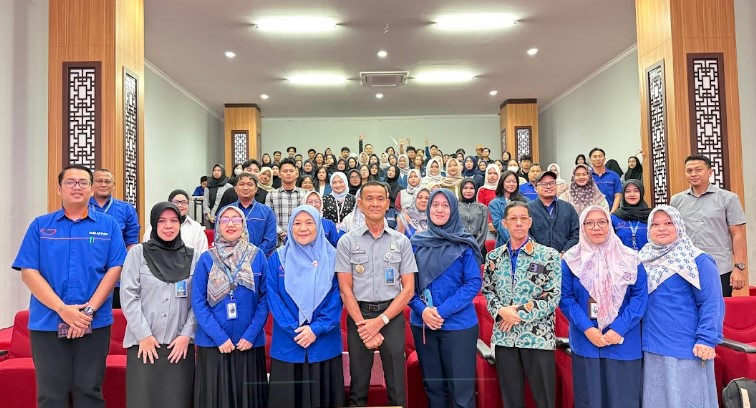
The Head of the Political Science Program at Universitas IGM, Dwiki Adi Putra, S.AP, M.Si., stated that this strategic collaboration is a concrete step by the program to boost the institution’s accreditation score toward an “Excellent” rating. “Formal partnerships with government agencies are our main pillar in pursuing the highest standards of educational quality,” he concluded. (andhiko ta)