

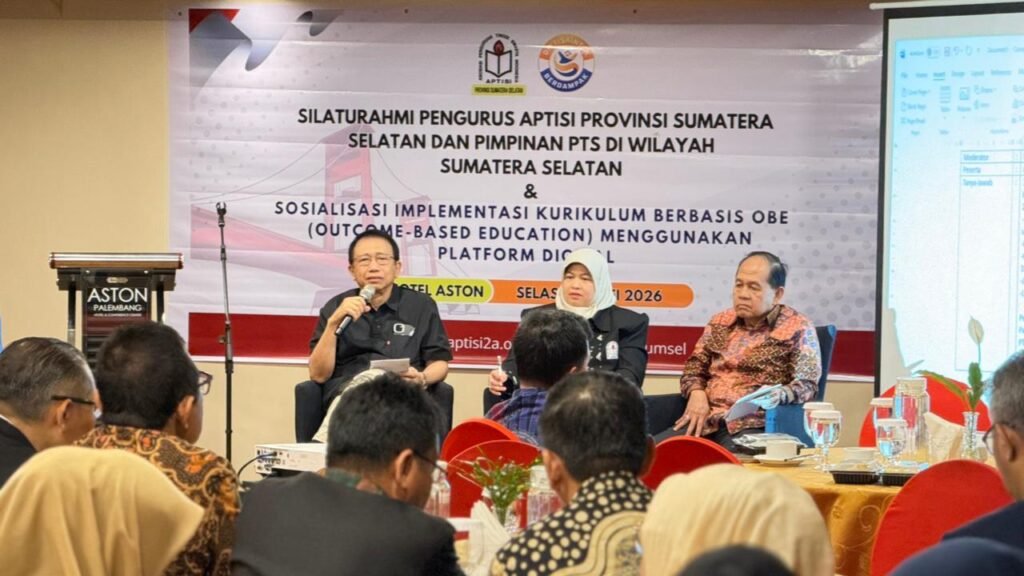
The Executive Board of the Association of Indonesian Private Universities (APTISI) Region II-A South Sumatra held a networking meeting with all leaders of private universities (PTS) across South Sumatra on Tuesday (May 12).
This meeting was held to discuss various critical challenges in the field of higher education.
The Chair of APTISI South Sumatra Province, Dr. Drs. H. Muhamad Helmi, M.S., explained that this meeting served as a strategic forum to foster unity while discussing collective solutions to the obstacles faced by each institution.
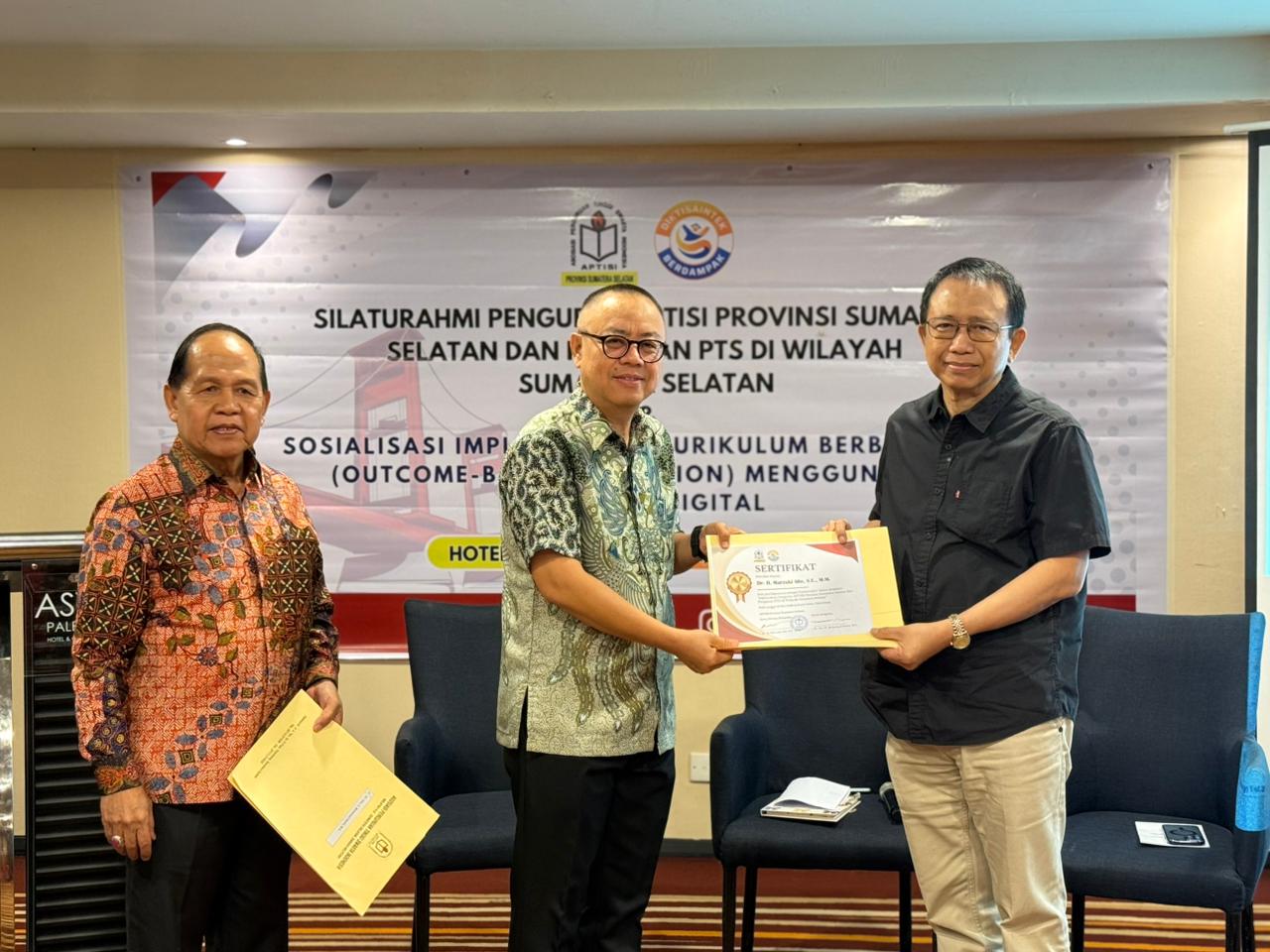
“We don’t want each campus to operate on its own without direction, so this collaboration is key to producing the best solutions for the future of private universities in South Sumatra,” Helmi emphasized.
The main focus of the discussion, he continued, included issues regarding student enrollment and obstacles in the accreditation process, which often place a burden on university administrators. He explained that APTISI is committed to continuing to advocate for regional interests at the ministerial level and before the Indonesian House of Representatives (DPR) to ensure the sustainability of private education is maintained.
“APTISI will continue to be at the forefront in seeking policy opportunities that are most beneficial for the private higher education sector,” he said.
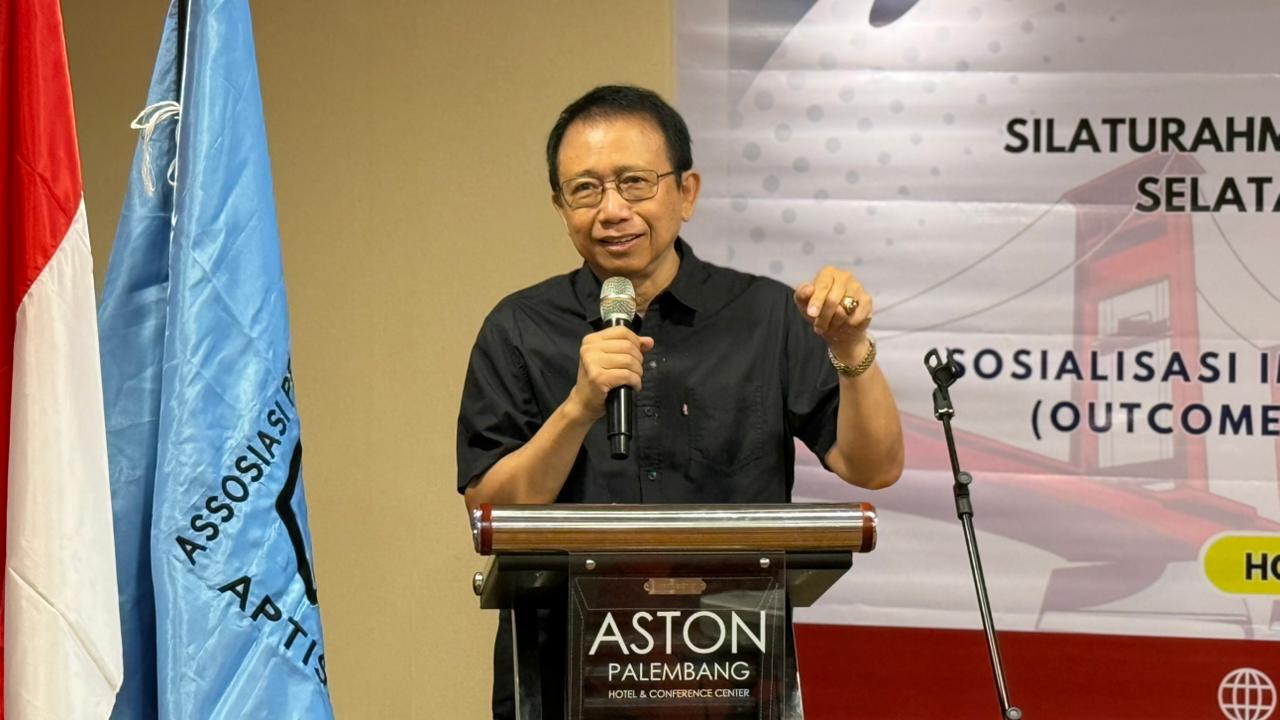
The Chair of the APTISI South Sumatra Advisory Board, Dr. H. Marzuki Alie, S.E., M.M., highlighted the urgency of identifying issues to be formulated into an official proposal to the Ministry of Higher Education, Science, and Technology (Mendiktisainstek).
Several critical points raised include the uncertainty of the government’s accreditation budget, the fairness of online learning policies, the new student admission scheme, and the distribution of funds from the Kartu Indonesia Pintar (KIP) Kuliah program. “All regulations perceived as burdensome must be formally communicated immediately to ensure fairness for private universities,” explained Marzuki.
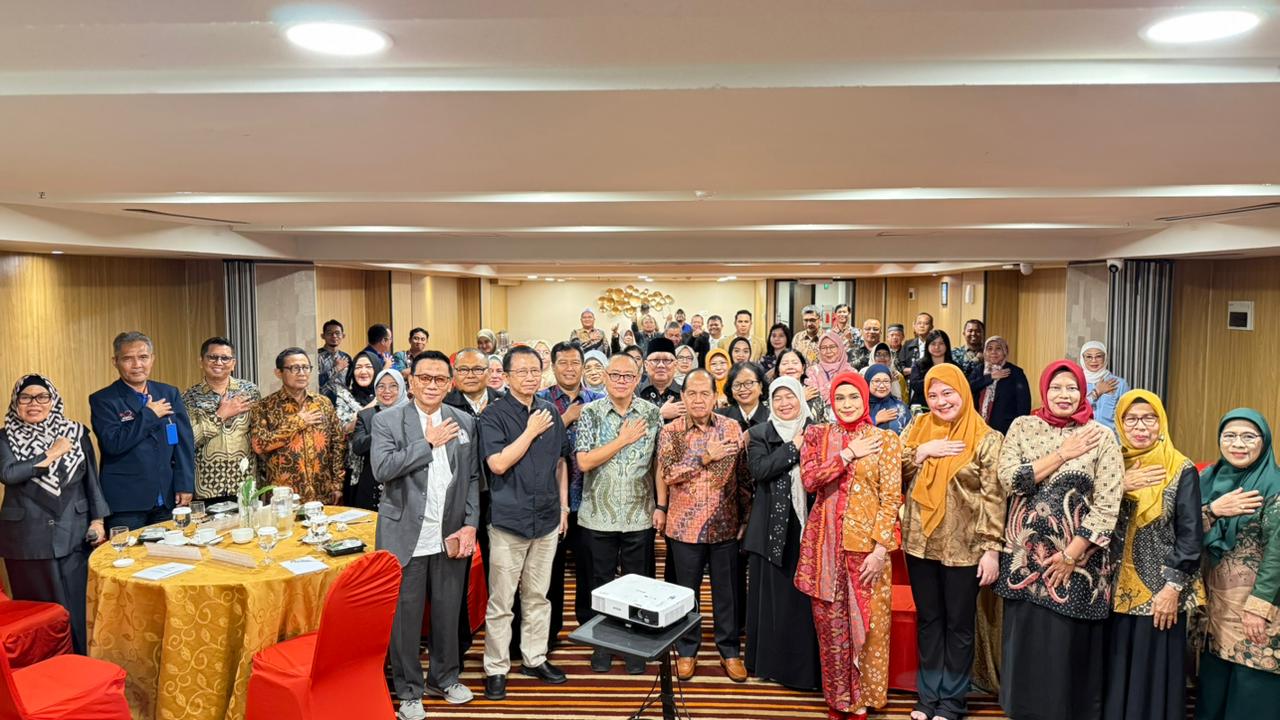
He also emphasized that data synchronization and a shared vision among private university leaders are essential to strengthen the bargaining position of private institutions in the eyes of the central government. “During this meeting, we sought solutions to ensure that our children’s education is not affected,” he concluded. (andhiko ta)