


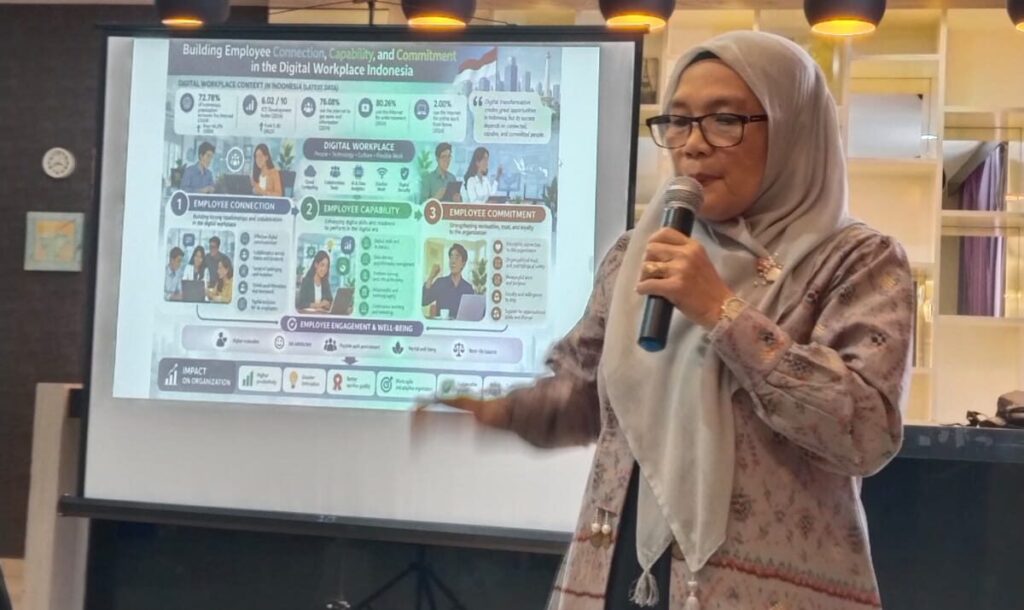
Dr. Tien Yustini, S.E., M.Si., a lecturer at the Faculty of Economics at Universitas Indo Global Mandiri (IGM), emphasized that digital transformation is a process of organizational change, not an information technology project.
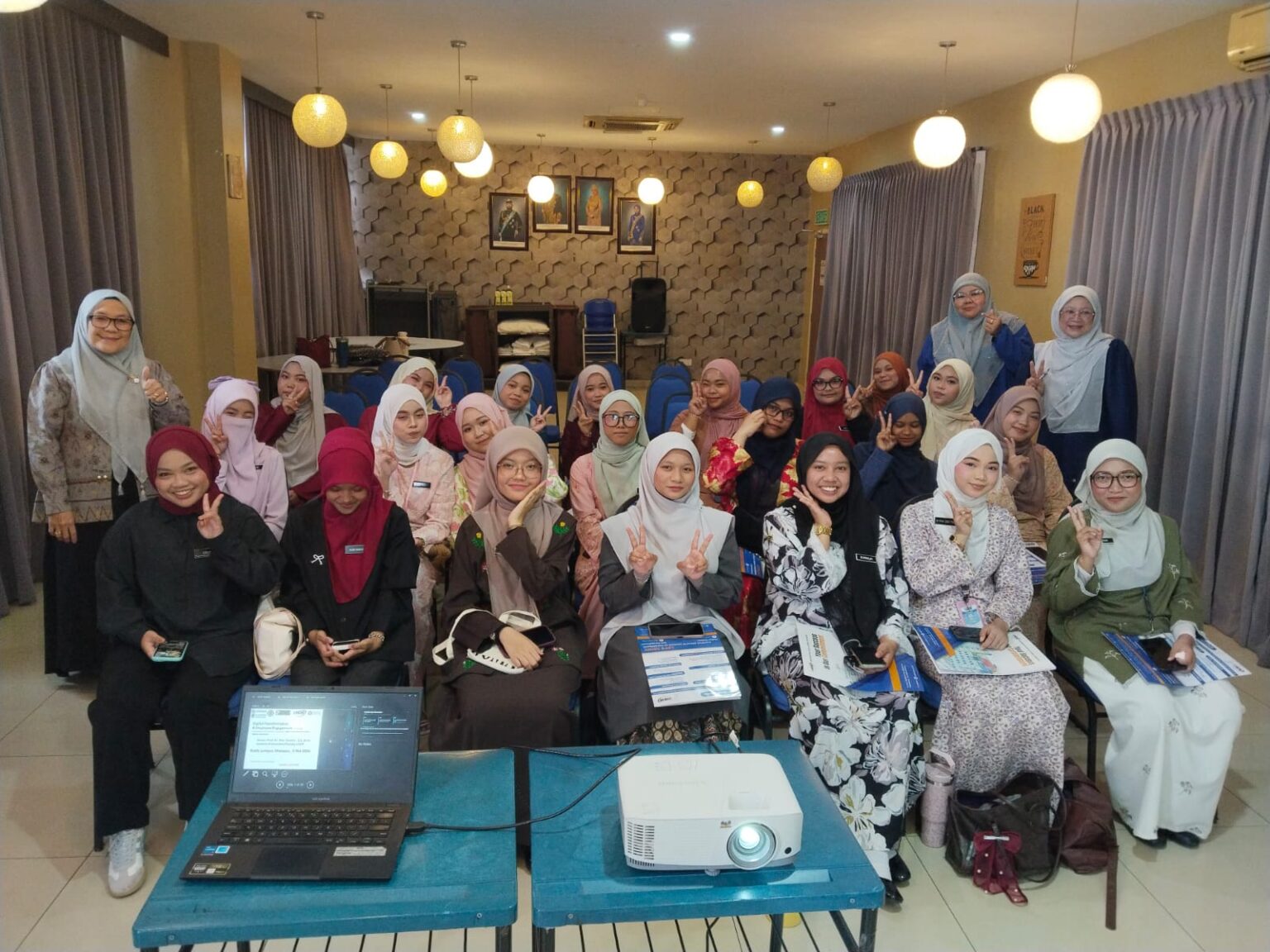
She shared this perspective during a presentation titled “Digital Transformation & Employee Engagement” in Kuala Lumpur, Malaysia, at an event organized by Kolej Universiti Yayasan Pelajaran Johor (KUYPJ). “Technology is merely a tool; it is the human resources that are changing and evolving,” said Tien.
According to Tien, employee engagement is determined by the quality of digital work, not by the amount of technology used.
She uses the Job Demands–Resources (JD–R) framework to balance digital demands with digital resources. “New technology is beneficial if it makes work easier and more meaningful,” she said.
She also referred to Self-Determination Theory (SDT), which identifies autonomy, competence, and relatedness as fundamental human psychological needs. All three must be safeguarded when organizations adopt digital systems. “Employees need to continue feeling in control, capable, and connected to their coworkers,” she explained.
She also outlined five digital levers that drive engagement. First, useful technology—that is, technology that reduces barriers and automates low-value work.

Second, digital learning to build AI literacy, digital fluency, and learning agility. Third, human-centered leadership. Fourth, a digital culture that normalizes experimentation, collaboration, feedback, and responsible AI. Fifth, human resources in redesigning technology and workflows. “These five elements only become drivers of engagement if they genuinely improve the quality of work,” she said.
Of these five levers, he positions leadership as the link between digital capabilities and employee commitment. Leaders, she said, are tasked with setting the direction, trusting people, providing guidance, and communicating. “No matter how great the system is, without trust and good communication, commitment will not grow,” she concluded. (andhiko ta)