

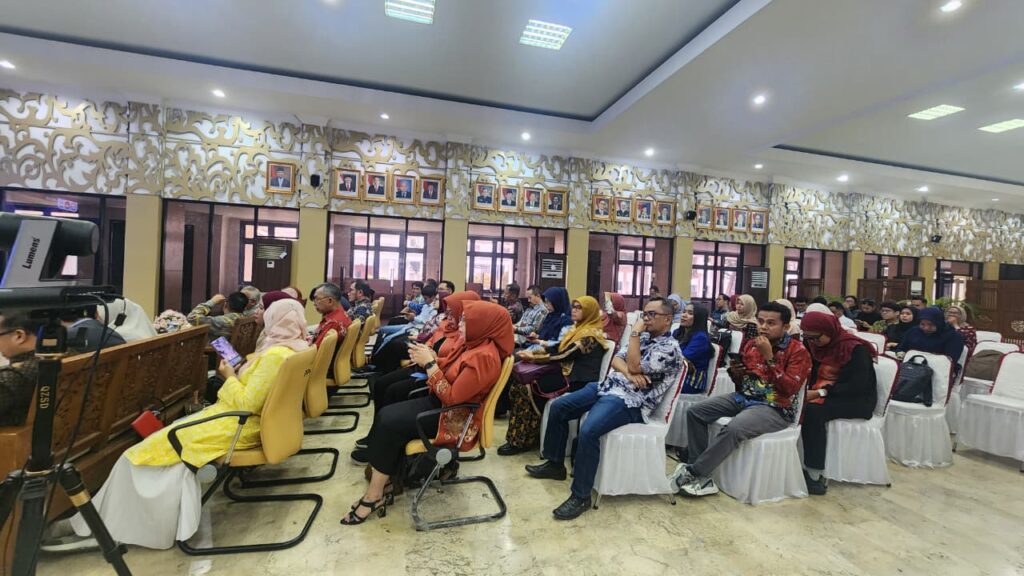
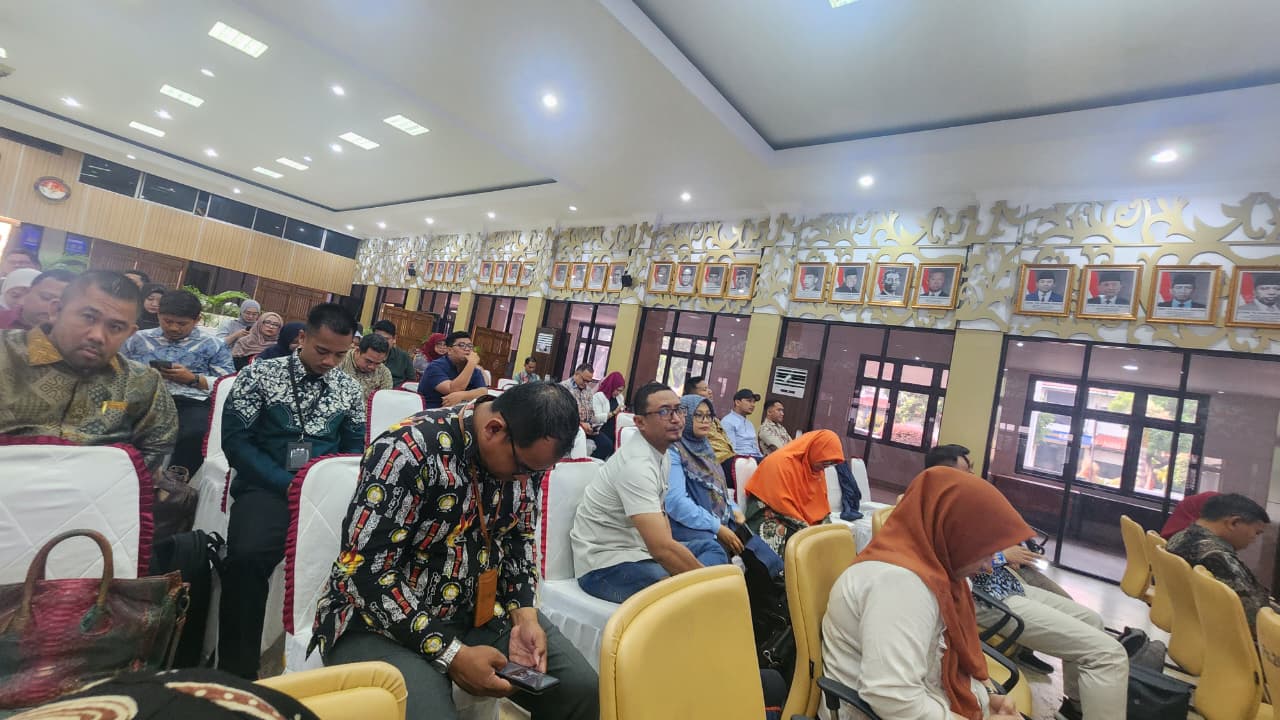
Universitas Indo Global Mandiri (IGM) participated in the 2026 KAPSIPI–ADIPSI Annual Seminar and Working Meeting at the Zamhir Islamie Auditorium, the Institute of Domestic Governance (IPDN), Cilandak, Jakarta, on Tuesday (Oct. 20).
The Chair of the Government Studies Program at Universitas Indo Global Mandiri (IGM) in Palembang, Dwiki Adi Putra, S.A.P., M.Si., said that this event brought together program administrators from all over Indonesia to learn from one another and exchange experiences.
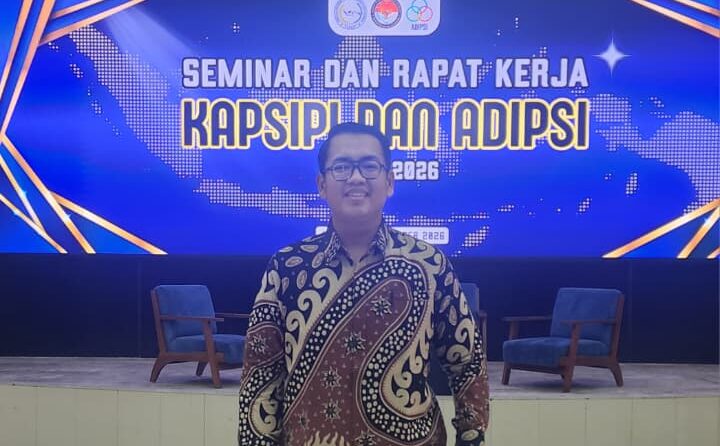
He explained that the event, organized by the Association of Indonesian Public Administration Studies Programs (KAPSIPI) and the Association of Public Administration Lecturers throughout Indonesia (ADIPSI), focused on the theme “Innovative Governance and Artificial Intelligence in the Public Sector.” The seminar discussed innovations in governance as well as the use of artificial intelligence (AI) in the public sector. “Universities must be prepared to produce graduates who are tech-savvy and understand the challenges of modern governance,” he said.
In addition to the seminar, the event series included the signing of a memorandum of understanding (MoU) between the university and KAPSIPI and ADIPSI, the formation of a professional association under KAPSIPI, and a briefing on the criteria for achieving “excellent” status in LAMSPAK accreditation.
“The criteria for excellent accreditation need to be understood from the outset so that our preparations are well-directed,” he said.
For UIGM Public Administration program, he continued, the outcomes of the forum will serve as a basis for development. The focus includes strengthening the curriculum based on Outcome-Based Education (OBE), improving the quality of learning, developing research and community service, enhancing faculty competencies, and collaborating with stakeholders.
“All these aspects must move forward together; they cannot be addressed piecemeal,” he said.
He emphasized that improving the quality of academic programs requires ongoing commitment, inter-institutional collaboration, and a willingness to adapt to advancements in science and technology. “Participating in national forums like this broadens our horizons and expands our academic networks. We hope the outcomes will serve as a reference for strengthening academic and institutional quality to build outstanding academic programs,” he concluded. (Andhiko Ta)