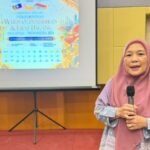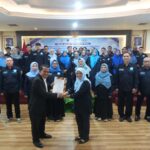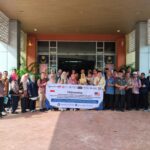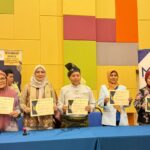


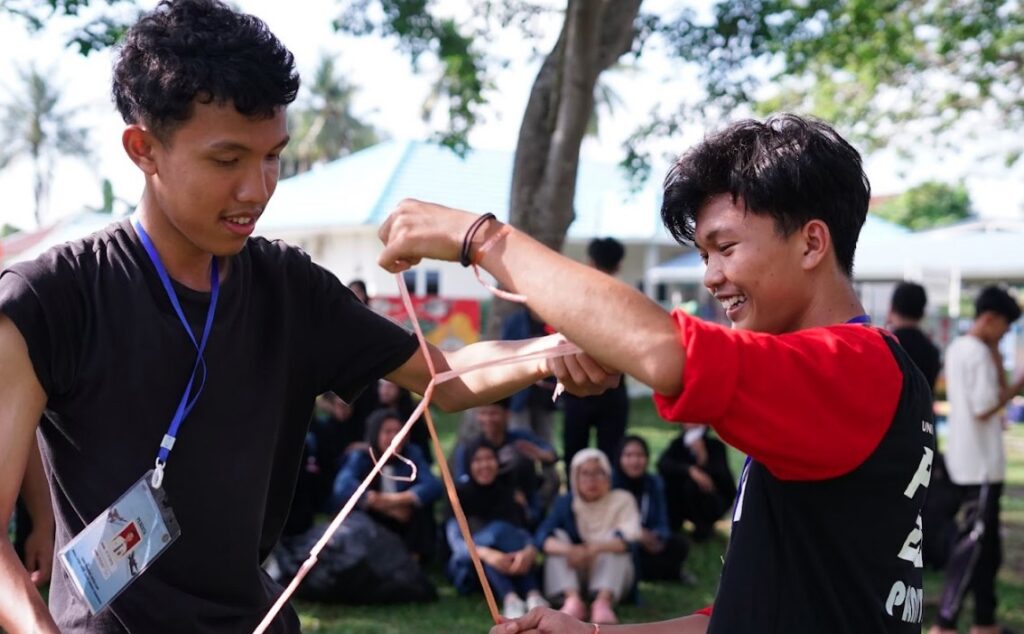
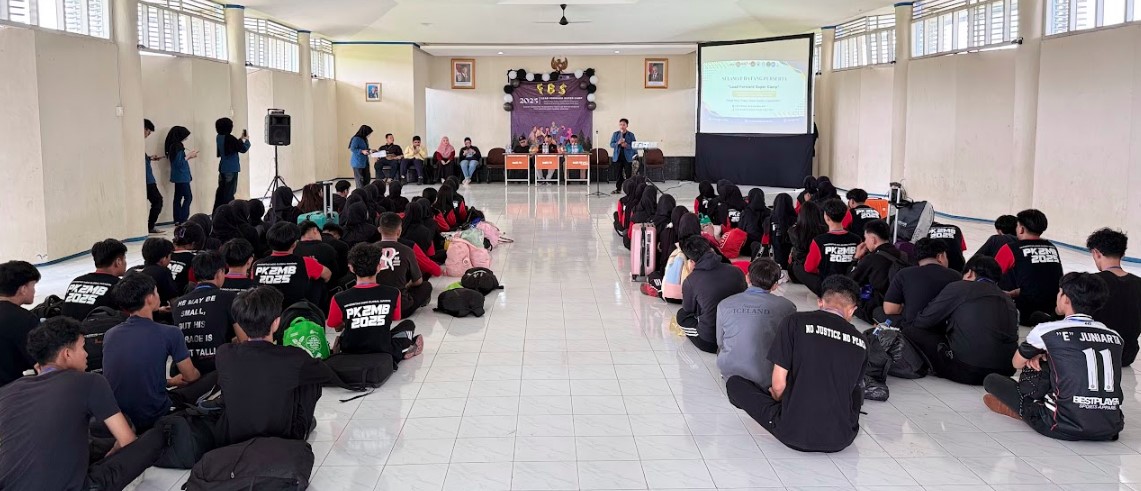
The Sharia Business Faculty (FBS) of Indo Global Mandiri University (UIGM) held an annual outbound event for its students.
With the theme “Lead Forward Super Camp: Small Steps Today, Great Stories Tomorrow,” this activity lasted for two days, from Saturday (12/20) to Sunday (12/21). Located at the AURI Burlian Complex, Palembang, this agenda was specifically designed to shape the character and readiness of students in pursuing their academic and professional journeys in the future.
The Dean of FBS UIGM, Dr. H. Chandra Satria, explained that the selection of the AURI Field as the location for the activity was not without reason. According to him, the atmosphere of discipline in the military environment greatly supports the main objective of the outbound activity, which is to build togetherness while preparing students physically to be in top condition to face an increasingly dynamic learning process. Through simulations and physical challenges, students are expected to develop strong endurance and not give up easily in difficult situations.
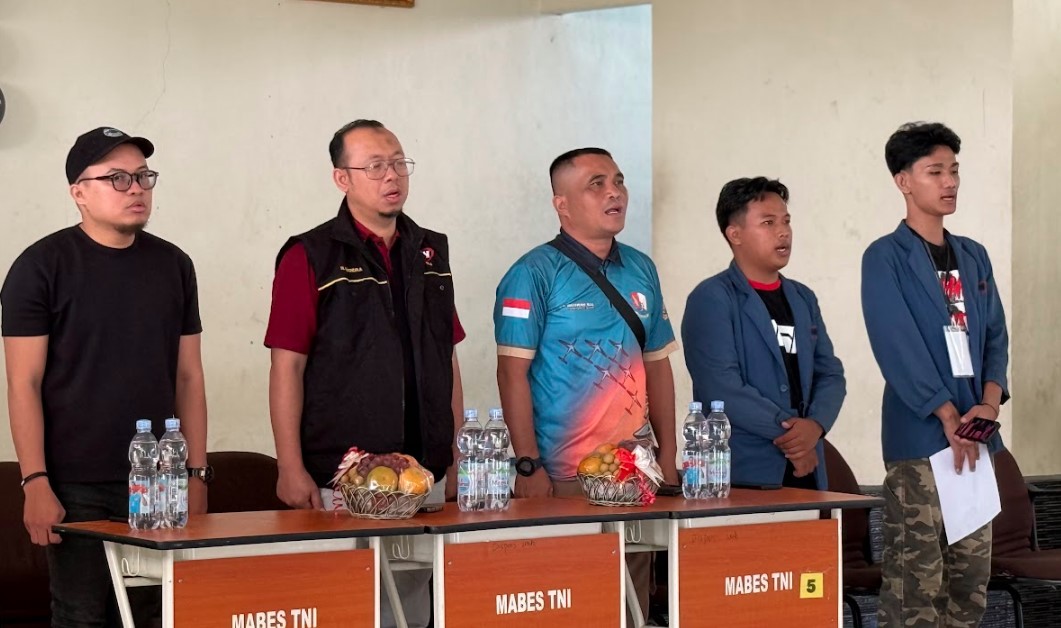
“Good physical condition is the main foundation for students to be able to absorb knowledge optimally and remain productive amid their busy lecture schedules,” Chandra emphasized while directly observing the activities in the field.
Chandra emphasized that this year his party deliberately established close cooperation with the Indonesian Air Force (AURI) to help improve the mental aspect of the participants. He assessed that challenges in the modern era require not only intellectual intelligence, but also strong mental resilience. The integration of physical training and mental coaching is an inseparable whole in order to produce future leaders with high integrity and discipline.
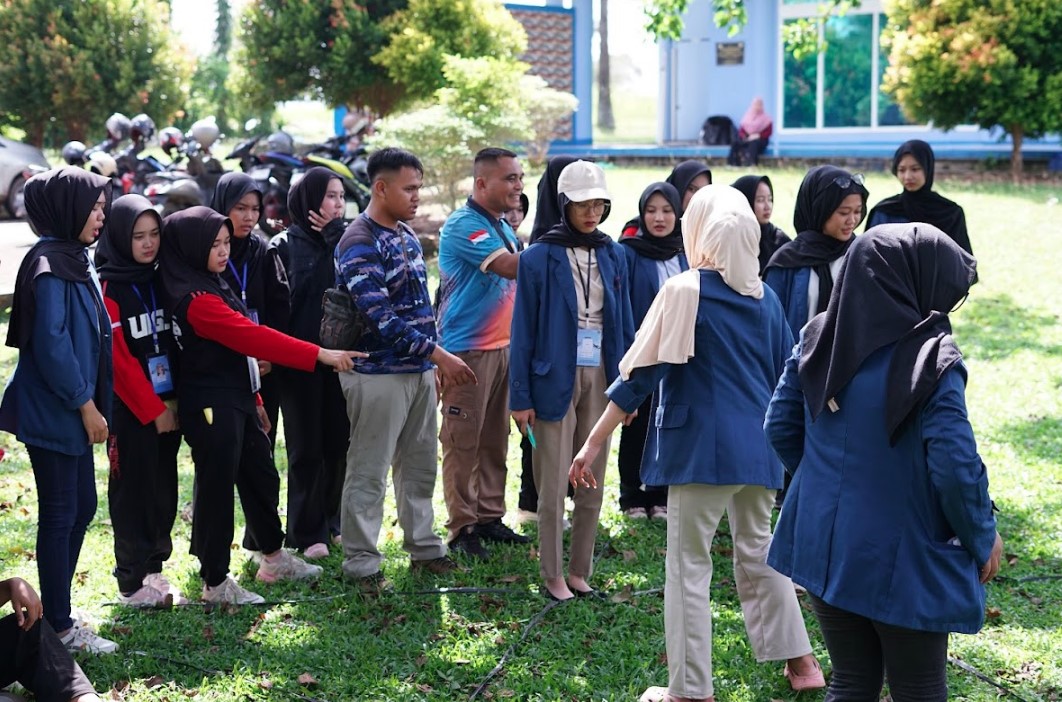
“We want every student to have a positive fighting spirit so that they are able to turn every obstacle into a real opportunity for achievement,” he added.
This activity also serves as a bridge for students before they graduate and enter society. With the leadership skills honed during the outbound program, students are expected to be better prepared to face the realities of the competitive world of work. Through interactions between students during the activity, the bonds of kinship within the faculty also grow stronger, which in turn will support a more collaborative and supportive learning environment on campus.
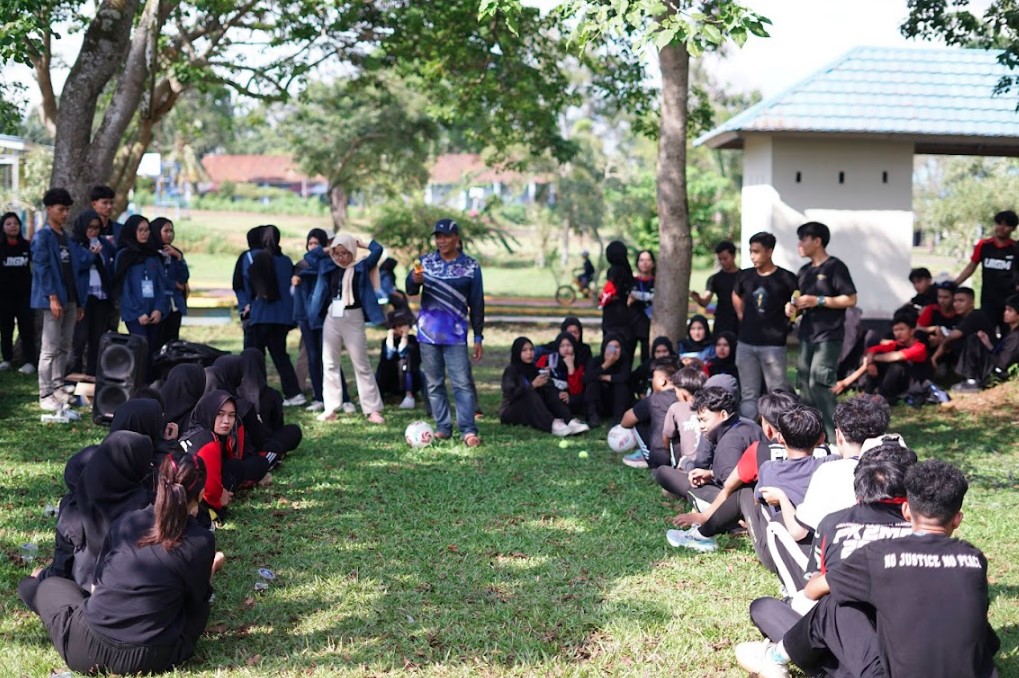
Meanwhile, the Outbound Organizing Committee, Satria, hopes that each individual will return with a more mature attitude and a clear vision for their future. “The ability to adapt and work together in a team is a valuable social asset that is not always obtained in conventional classrooms,” he explained. (andhiko ta)