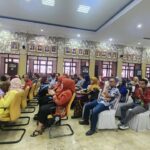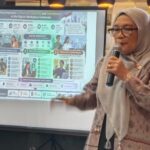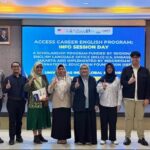


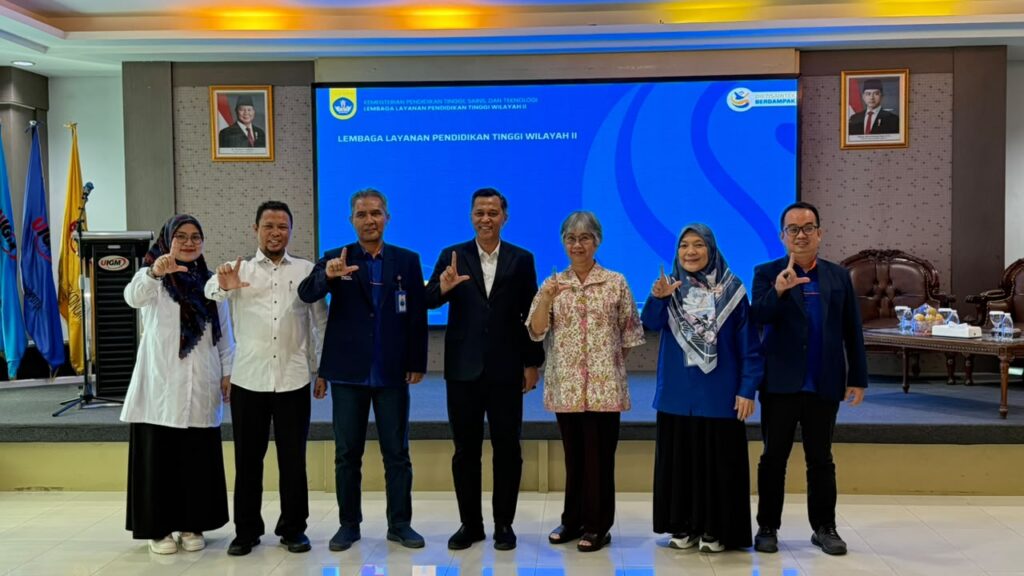
Universitas Indo Global Mandiri (IGM) was designated to host the Technical Assistance Program for the Optimization of Digital Services, Distance Learning, Study Assignments, and the Inpassing of Non-Civil Servant Lecturers within the LLDIKTI Region II jurisdiction on Monday (May 18).
The Head of LLDIKTI Region II, Prof. Dr. Iskhaq Iskandar, M.Sc., emphasized that distance learning is no longer merely an alternative but a tangible transformation of modern education that eliminates the constraints of time and space. Nevertheless, he acknowledged the extraordinary challenges in ensuring the success of distance learning due to the absence of direct physical interaction.
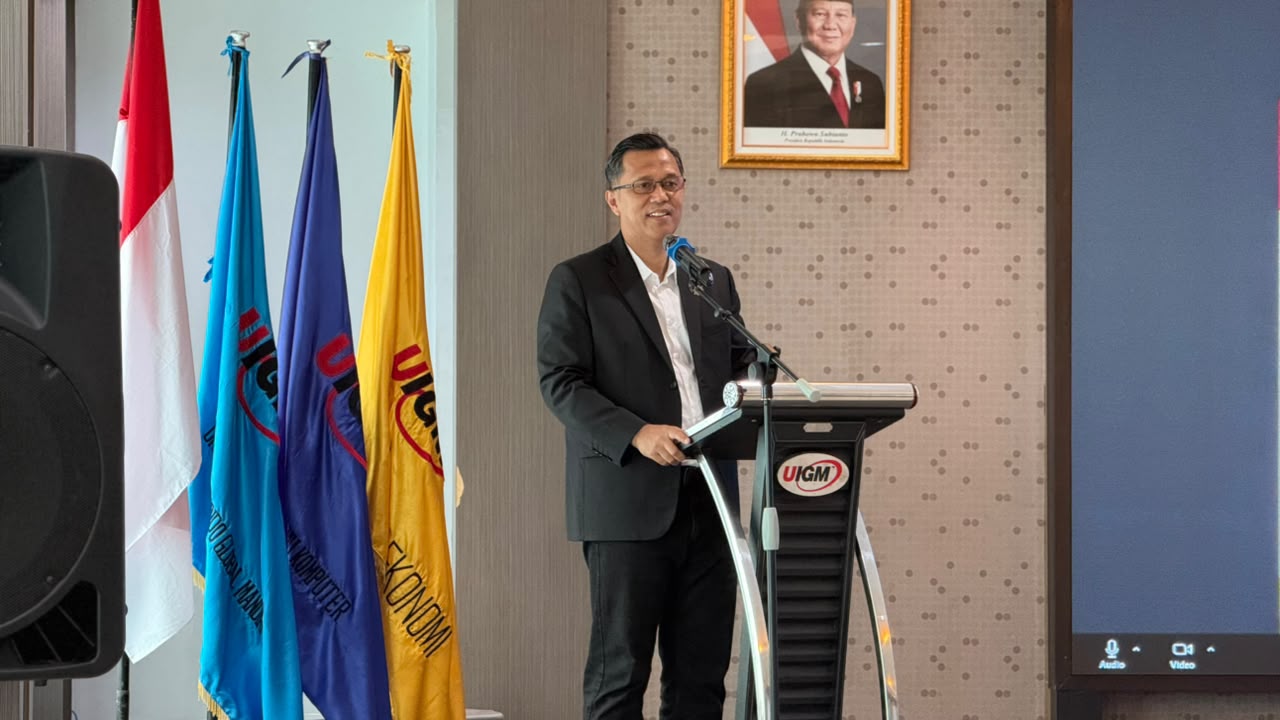
“We must realize that this system represents the future of education, which demands total readiness across all academic aspects,” he said.
In addition to discussing the digitization of the lecture system, this agenda also thoroughly examined changes to the system for requesting study leave for non-civil servant lecturers, the mechanism for which is now entirely delegated to each respective university. This regulatory change was intentionally publicized so that every campus leader would have a uniform understanding of the new administrative procedures.
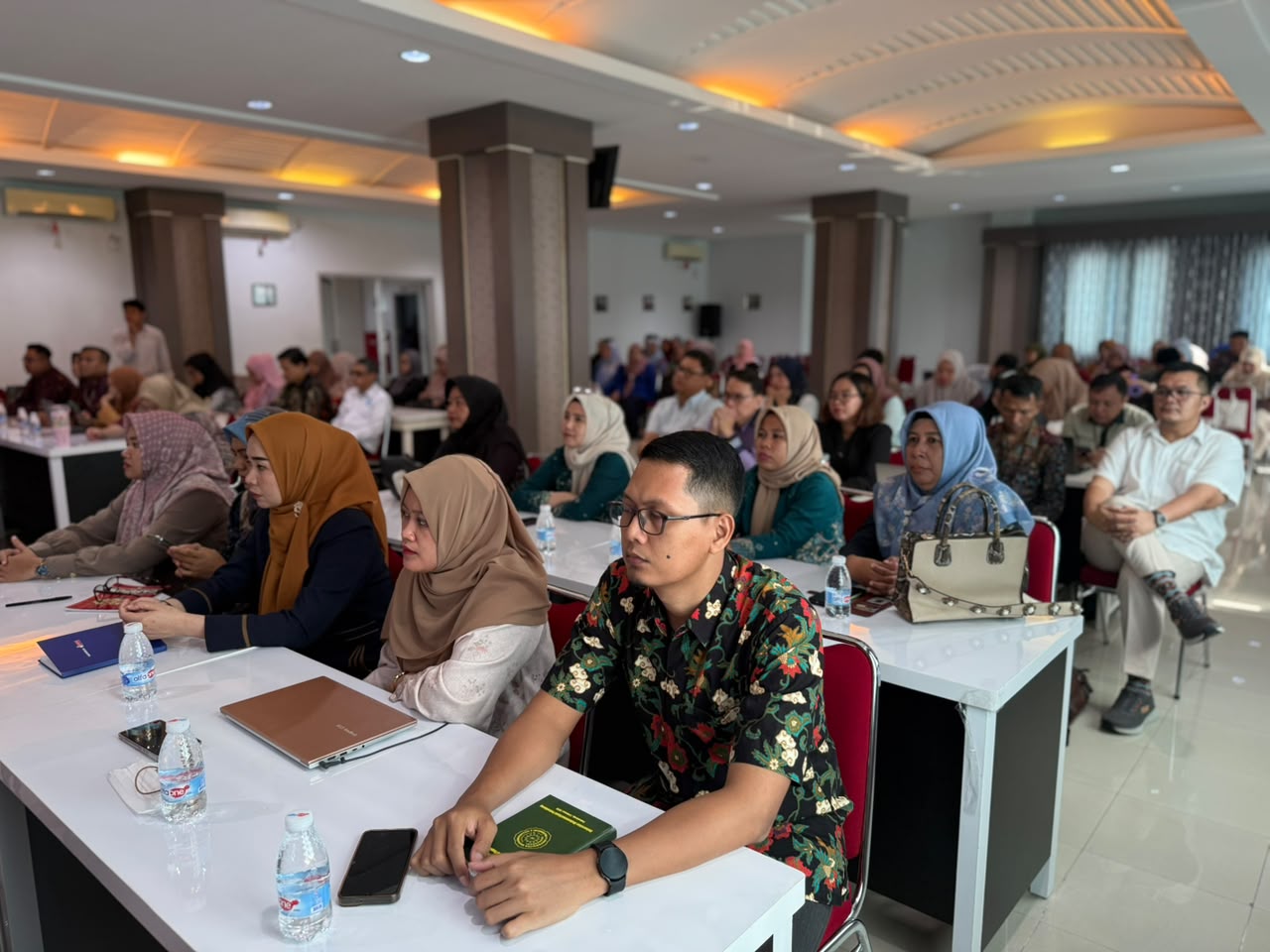
Through these regulatory adjustments, the bureaucracy is expected to become more streamlined in order to support the enhancement of educators’ competencies. “This new policy was specifically designed to cut through lengthy bureaucratic processes so that faculty members can focus more on improving their academic capabilities,” he emphasized.
During the session on optimizing digital services, he expressed his hope that all participants would be able to foster innovation and creativity so that the implementation of distance learning remains high-quality and in line with current guidelines.

According to him, the essence of distance learning is not merely about moving the conventional classroom to the virtual world, but rather about continuously maintaining the quality of instruction and the character of the students. This effort to align perspectives is considered crucial to ensure that meaningful interaction between faculty and students remains optimal despite the limitations of in-person meetings. “Technology is merely a tool, but our commitment to upholding students’ moral and intellectual integrity is the key that must never be lost,” he concluded. (andhiko ta)