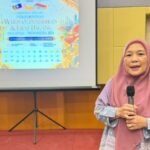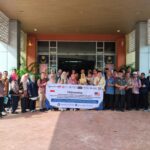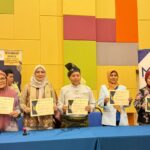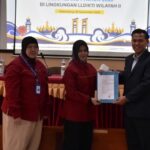


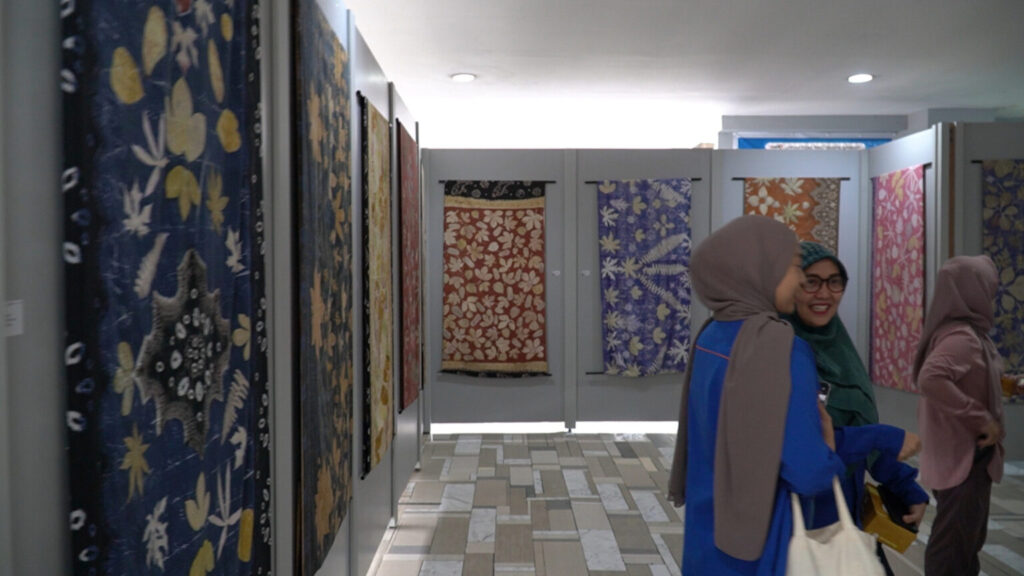
Indo Global Mandiri University, together with the Young Jumputan Entrepreneurs Forum (Forjuma) Tuan Kentang, initiated the “Jumputan Ecotone Exhibition: Colors that Grow from the Earth” on November 9 at the Indo Global Mandiri University (IGM) campus.
This exhibition is the culmination of the Nusantara Art Innovation Program (PISN), which received full funding support from the Ministry of Higher Education, Science, and Technology (Kemdiktisaintek) through the Directorate of Research and Community Service (DPPM).
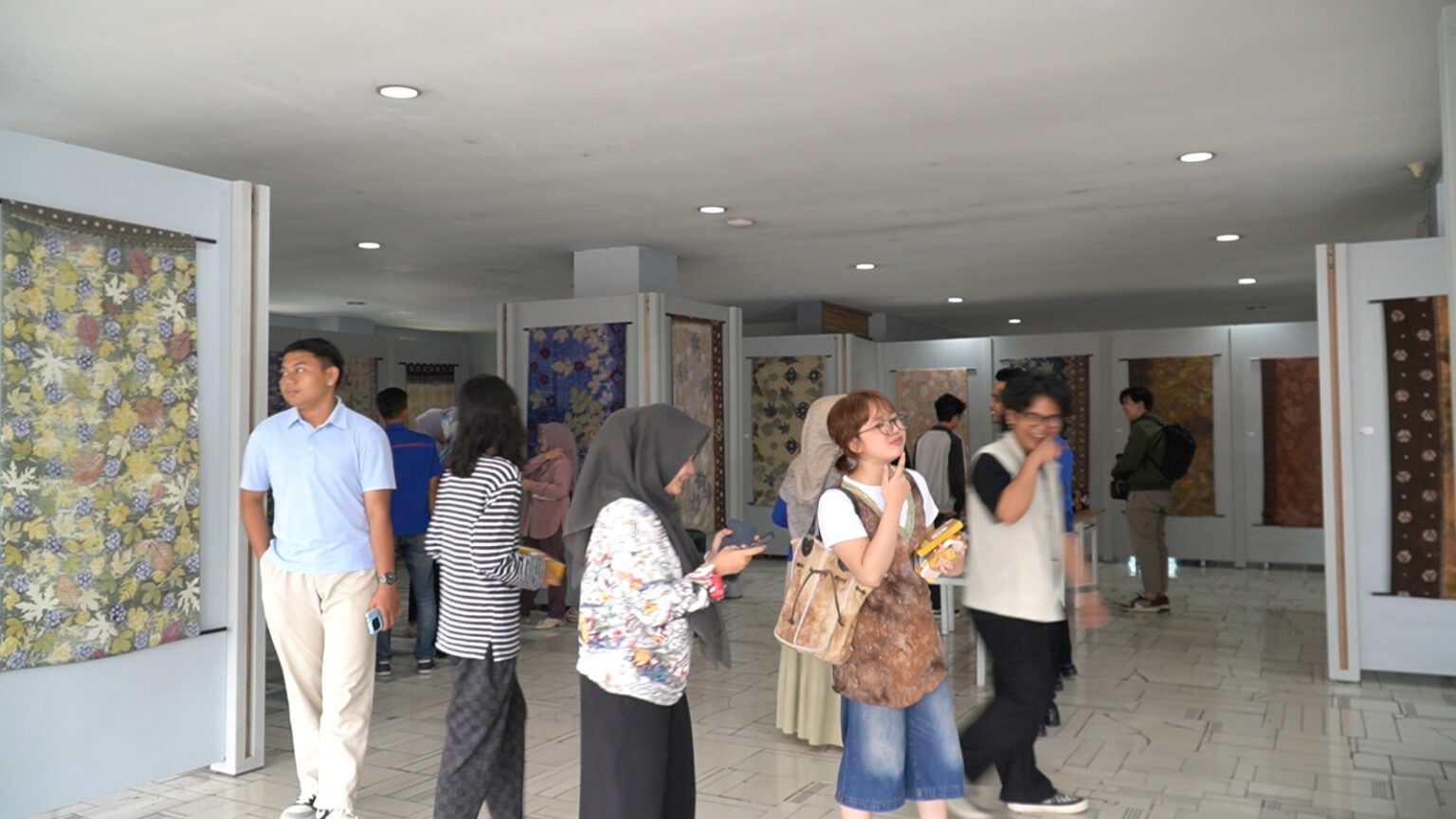
The head of the PKM-PISN UIGM Implementation Team, Aji Windu Viatra, M.Sn, explained that the ecotone concept reflects a transitional area, namely a harmonious blend of traditional jumputan cultural heritage with a contemporary design approach and environmentally friendly ecological sustainability principles.
“We want to show that tradition can grow and adapt to innovation without losing its roots,” he said.
He explained that the PISN program focuses on Tuan Kentang Village, the center of jumputan crafts in Palembang, with the main objective of strengthening the capacity of young craftsmen in facing the challenges of design innovation, business management, and digital marketing.
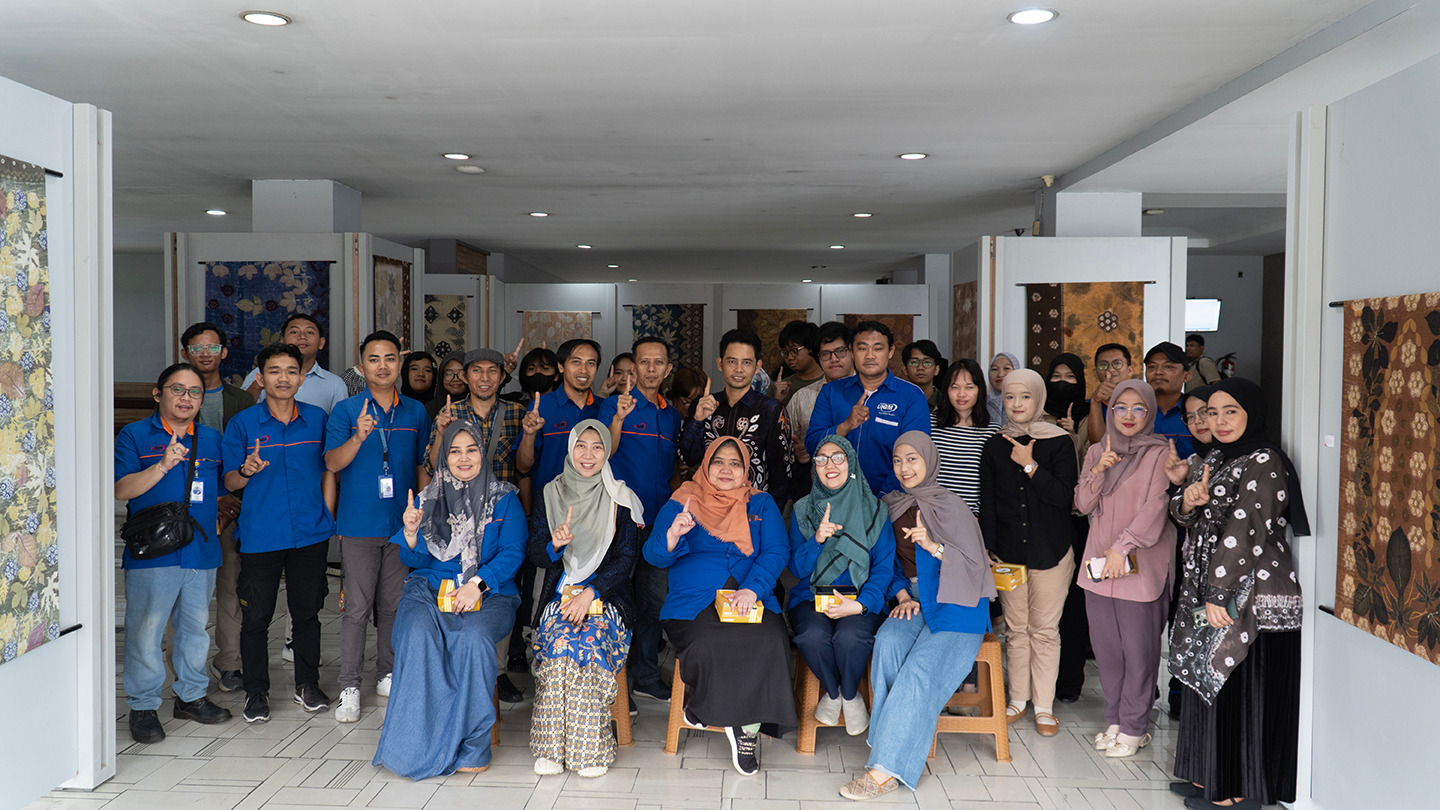
Through a series of intensive training and mentoring sessions, he added, artisan partners successfully developed products using natural dyes, resulting in 29 new motif variations.
For your information, the Eco Jumputan innovation itself is a combination of Palembang’s distinctive tie-dye technique with the eco print method – the motifs are produced from natural prints of leaves, flowers, and other elements of the earth, creating organic and environmentally friendly patterns. In addition to product development, this program has also succeeded in improving the managerial literacy of artisans and optimizing social media for promotion, becoming an important foundation for strengthening the collective brand and developing a digital catalog.
“This innovation is a concrete step toward economic independence for young artisans like Tuan Kentang,” he concluded (andhiko ta).